
What is koobideh kebab? Koobideh kebab is Iran’s favourite kebab — a juicy skewer of seasoned minced meat, grilled over charcoal. First, cooks mix the meat with grated onion and simple spices. Then they press it by hand onto wide, flat skewers. The name comes from the Persian word “koobidan”, which means to pound. Naturally, that pounding gives the kebab its soft, tender texture.
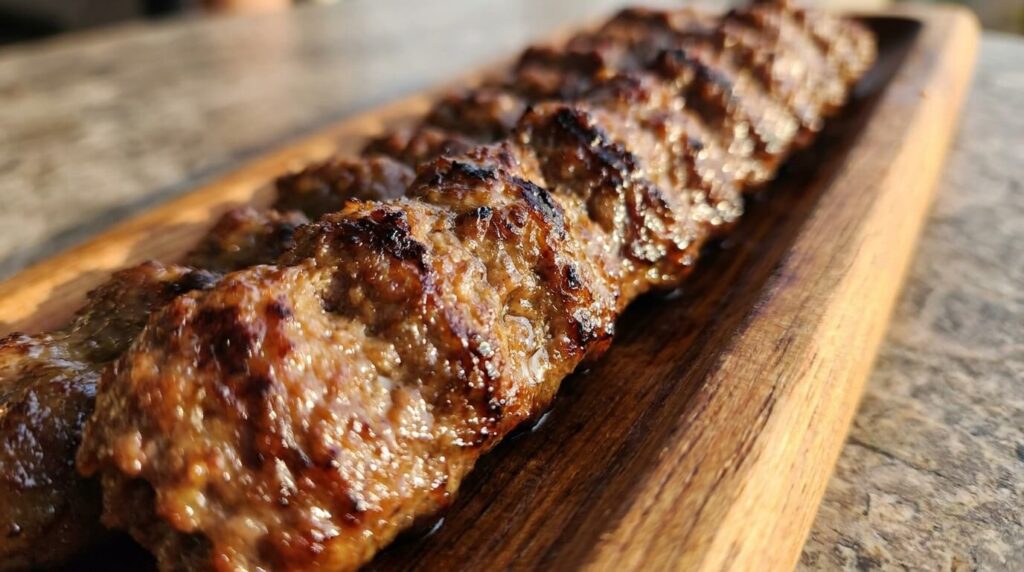
In this guide, we explain where the dish comes from and what goes into it. We also cover how it tastes and how it differs from Adana kebab. Finally, we show you where to enjoy an authentic, halal version in Kuala Lumpur.
The origin of koobideh kebab
Koobideh kebab comes from Iran, where families and restaurants grill it over open charcoal. In fact, Iranians love it so much that many call it a national dish. Traditionally, cooks serve it with saffron rice as “chelo kabab”. Today, you will find it across the Middle East and beyond. Still, its heart remains Persian.
What is koobideh kebab made of?
So what goes into koobideh kebab? It uses just a few humble ingredients:
- Meat: ground lamb, beef, or a mix; some cooks use chicken.
- Onion: grated onion, which keeps the meat juicy.
- Seasoning: salt, pepper and sometimes a little turmeric.
- The skewer: a cook pounds the meat, then presses it onto a wide, flat skewer.
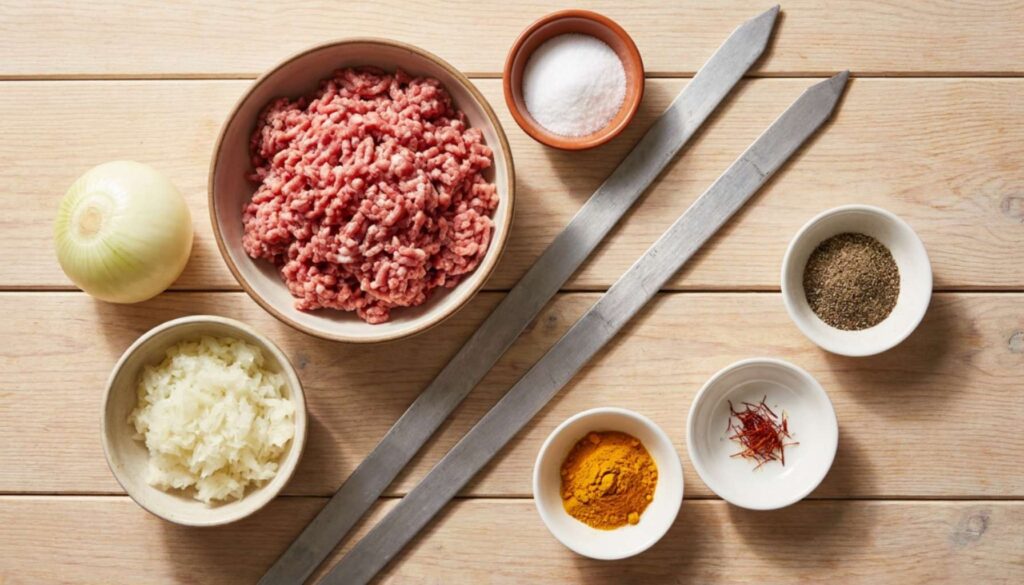
Together, these simple parts create a rich, savoury flavour. Above all, the charcoal grill adds a gentle smokiness.
What does it taste like?
Koobideh kebab tastes savoury, juicy and mild. The grated onion keeps every bite moist. Meanwhile, the charcoal adds a soft, smoky note. Because the seasoning stays simple, the flavour of the meat shines through. So even children and first-timers enjoy it easily.
Koobideh kebab vs Adana kebab: what’s the difference?
People often compare this kebab with the Turkish Adana kebab. Cooks make both from minced meat on flat skewers. However, the seasoning sets them apart. Adana brings red pepper and heat, while koobideh stays mild and onion-forward. Therefore, if you prefer gentle flavours, choose koobideh.
How it is served
Restaurants usually serve koobideh two classic ways. First, they pair it with fluffy saffron rice, a grilled tomato and butter. Alternatively, they serve it with warm flatbread, sumac and sliced onions. At Lalezar, we serve ours with bread, french fries and grilled vegetables. As a result, you get a generous, satisfying plate.
Is koobideh kebab halal?
Can koobideh kebab be halal? Absolutely, because it depends on the meat and the kitchen. At a halal restaurant, the team sources and prepares the lamb, beef or chicken to halal standards. Of course, Muslim diners can then order with full confidence. At Lalezar, we prepare every dish halal.
Lamb, chicken or mix koobideh?
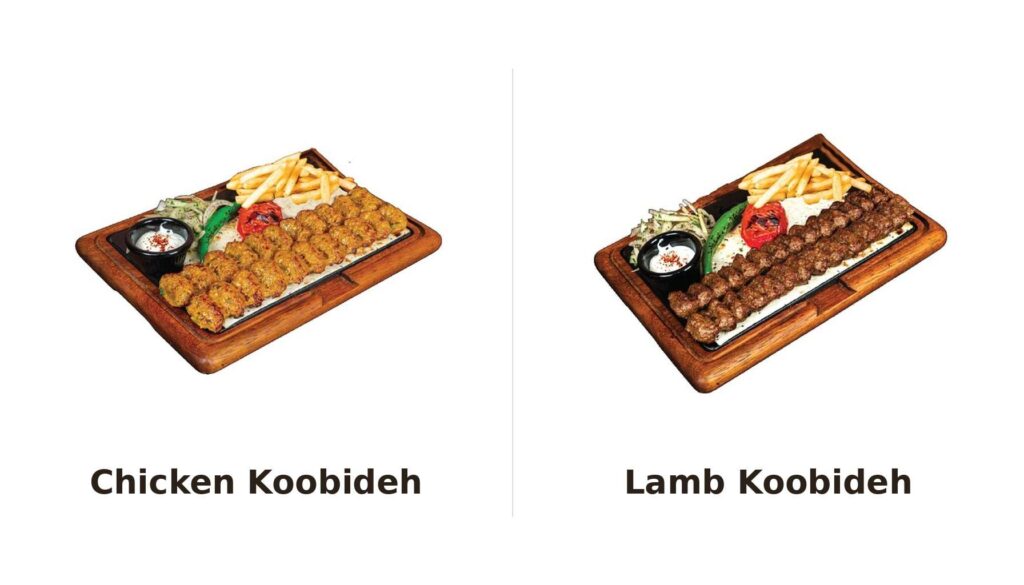
At Lalezar, you can choose your koobideh three ways. Lamb koobideh brings a rich, traditional taste. Chicken koobideh offers a lighter option. Meanwhile, the mix koobideh combines both on one plate. So everyone at the table finds a favourite.
Where to try authentic koobideh kebab in Kuala Lumpur
Has this made you hungry? Then come and taste our charcoal-grilled kebabs at Lalezar, a halal Turkish, Mediterranean and Persian restaurant in Kuala Lumpur. Alongside koobideh kebab, you will also find Adana, barg, stews and fragrant rice dishes. So explore the full Lalezar menu, or find your nearest branch. We welcome you across three locations: Ampang, USJ Heights and Centrepoint Bandar Utama.
Curious how it compares to its spicy Turkish cousin? Read our guide to how it compares to adana, or learn more about the Turkish minced-lamb kebab.
Frequently asked questions
What is koobideh kebab in simple terms?
Simply put, it is a Persian kebab of seasoned minced meat, grilled over charcoal on a flat skewer. The name means “pounded”, after the way cooks prepare the meat.
What meat is it made from?
Usually lamb, beef, or a mix. Some cooks use chicken instead. At halal restaurants, they prepare the meat to halal standards.
Is koobideh spicy?
No. Koobideh kebab tastes mild and savoury. Cooks season it mainly with onion, salt and pepper rather than chilli.